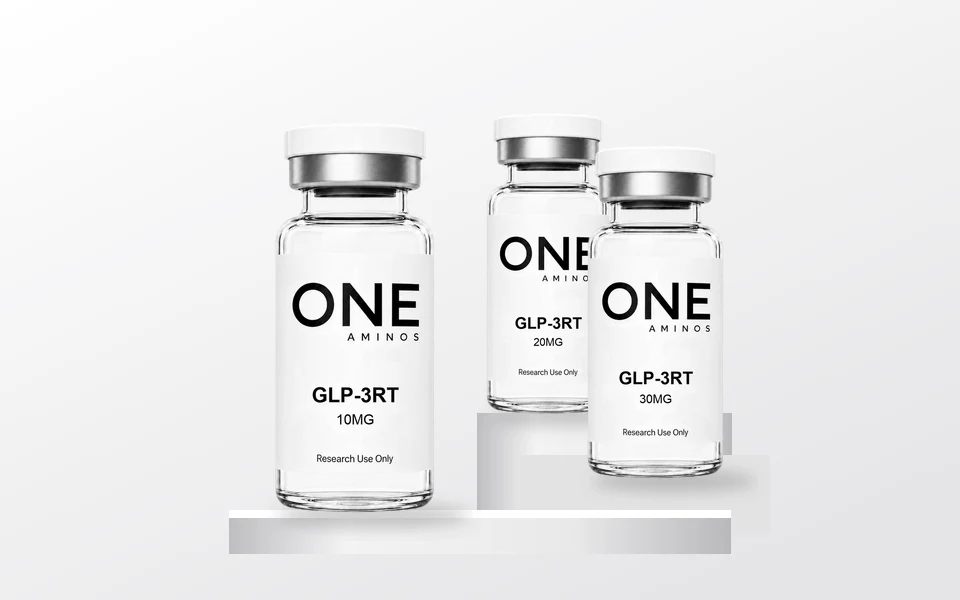
Retatrutide (GLP3-RT)
Weight Loss and Metabolism Guide
Weight Loss and Metabolism Guide
Healing and Recovery Peptide Guide
Skin and Recovery Research Guide
Healing and Recovery Peptide Guide
Cellular Energy Research Guide
Growth Hormone Research Guide
Cellular Energy Research Guide
Skin Research Guide
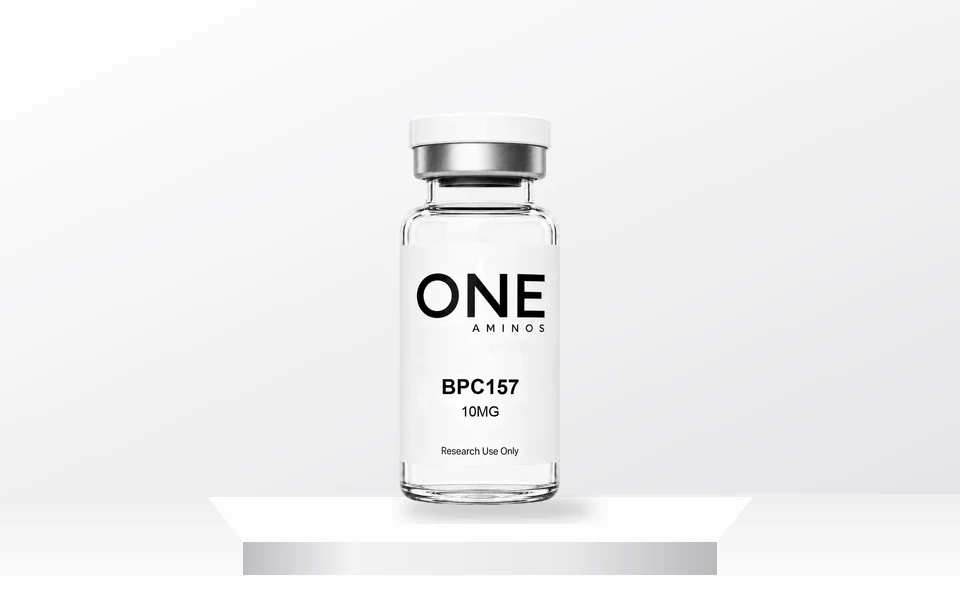
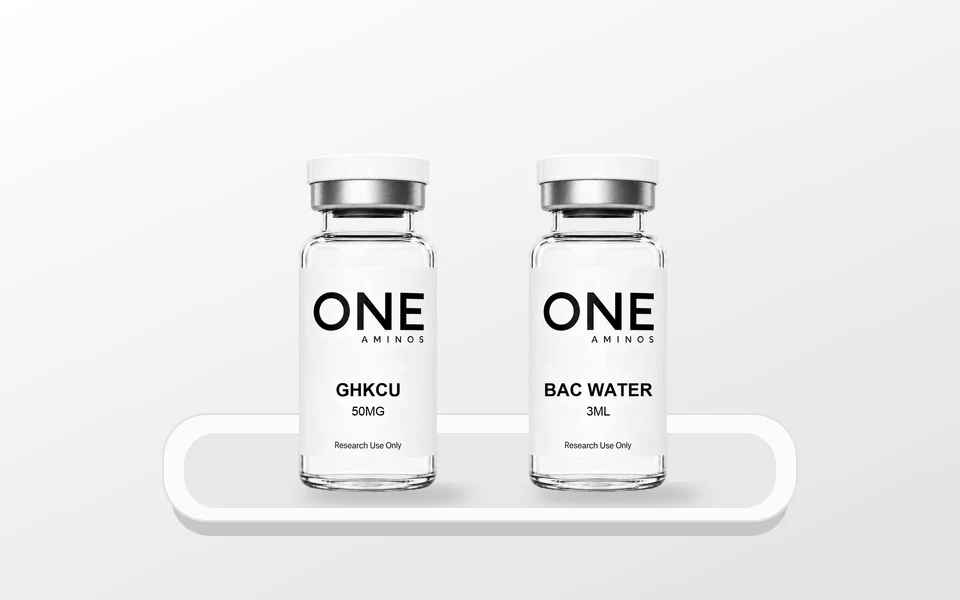
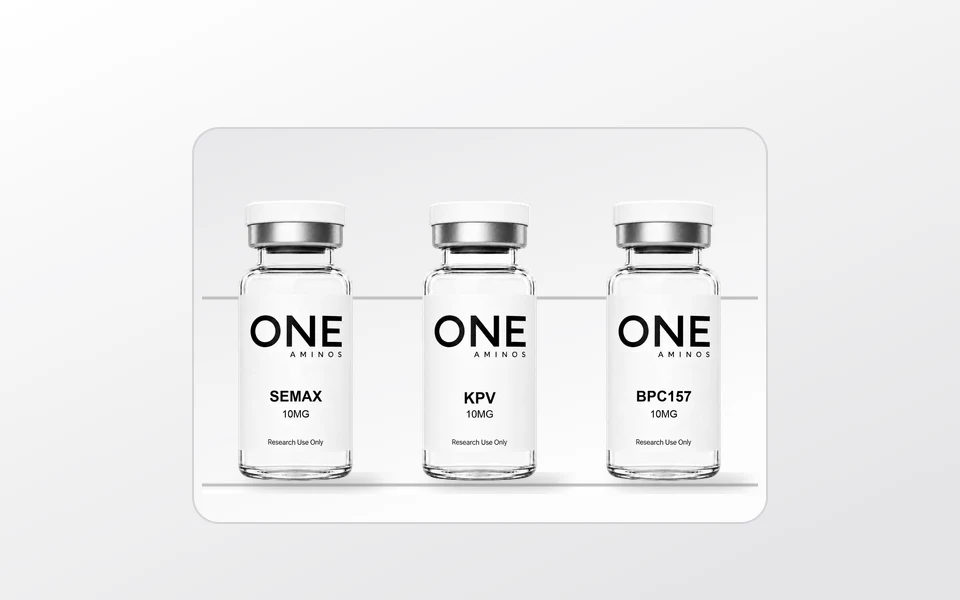
Match the peptide name and the mg on the label to the chart.
Open the chartThe mg/mL number tells you how much peptide is in each mL of liquid.
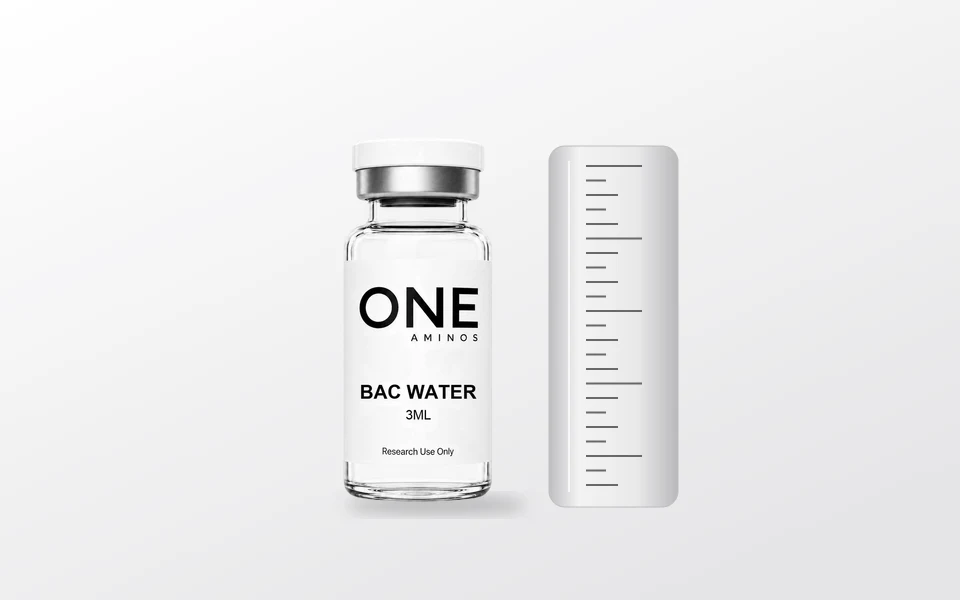
Reconstitution guidemg and mcg measure peptide amount. mL measures liquid volume.
Syringe unit guideMatch the lot on your vial to its certificate of analysis. Check the identity, purity and amount reported.
How to read a COAWhat peptides are, how they work, major categories, handling basics, and how to use this site.
Read the Guide →Step-by-step reconstitution process, BAC water selection, concentration math, and worked examples.
Read the Guide →How to read U-100, U-50, and U-20 syringes. IU vs mg vs mcg vs syringe units explained.
Read the Guide →First calculate concentration by dividing the total peptide amount by the final liquid volume. Then divide the target peptide dose by that concentration to find the mL to draw. On a U-100 syringe, multiply mL by 100 to convert the volume to syringe units. The peptide dosage calculator performs these conversions and shows its result in both mL and units.
Use the protocol directory to browse single peptides, premixed blends, and separate-vial stacks. Each published strength has its own page so its vial contents, final volume, concentration, dosage chart, and supply calculations remain internally consistent.
Vial strength changes concentration when the same volume of water is added. The research dose may stay the same across a peptide family, while the mL and U-100 syringe units change. A vial-specific chart prevents the calculation for one strength from being applied to another.
A reconstitution ratio describes the amount of peptide in the vial relative to the final liquid volume. Adding more water lowers the concentration and increases the volume needed for the same peptide dose; adding less water raises the concentration. Always use the product-specific instructions and the exact values shown on the relevant chart.
Protocol pages prioritize peer-reviewed literature, published clinical-trial data, and major medical references when available. Each page explains the evidence context. Descriptive community protocols are clearly labeled and are not presented as clinically validated recommendations.