En esta página
- Quick reference
- Dosage chart and four steps
- Supplies needed
- Demostración de reconstitución
- Vial and research context
- Protocol Overview
- Dosing Protocol
- Storage Instructions
- Important Notes
- How This Works
- Potential Benefits & Side Effects
- Lifestyle Factors
- Injection Technique
- Referencias
- Related research, protocols, and guides
AICAR Quick Reference (50 mg Vial)
- AGUA BACTERIOSTÁTICA A AÑADIR
- 3 mL
- CONCENTRACIÓN
- 16.67 mg/mL
- Vial contents
- 50 mg AICAR
- Final volume
- 3 mL
- One U-100 unit
- 166.67 mcg in 0.01 mL
Related research: For distinct compound, component, or formulation evidence and safety context, read MOTS-c Peptide: Benefits, Uses, Side Effects, Dosage, and Research. These links are comparisons only; the compounds and formulations should not be treated as interchangeable.
AICAR Dosage Chart
Dosing & Reconstitution Guide
Educational guide for reconstitution and daily dosing (research use only)
Standard / Gradual Approach (3 mL = ~16.7 mg/mL)
| Week/Phase | Daily Dose | Units (per injection) (mL) |
|---|---|---|
| Weeks 1–2 | 1,000 mcg (1 mg) | 6 units (0.06 mL) |
| Weeks 3–4 | 2,000 mcg (2 mg) | 12 units (0.12 mL) |
| Weeks 5–8 | 3,000 mcg (3 mg) | 18 units (0.18 mL) |
Frequency: Inject once daily subcutaneously[3]. For ≤10-unit (≤0.10 mL) administrations, consider 30- or 50-unit U-100 syringes for improved readability.
Reconstitution Steps
- Draw 3.0 mL bacteriostatic water with a sterile syringe.
- Inject slowly down the vial wall; avoid foaming.
- Gently swirl/roll until dissolved (do not shake).
- Label and refrigerate at 2–8 °C (35.6–46.4 °F), protected from light.
Advanced Protocol (Higher Doses)
| Week/Phase | Daily Dose | Units (per injection) (mL) |
|---|---|---|
| Weeks 1–2 | 2,000 mcg (2 mg) | 12 units (0.12 mL) |
| Weeks 3–6 | 3,000 mcg (3 mg) | 18 units (0.18 mL) |
| Weeks 7–12 | 5,000 mcg (5 mg) | 30 units (0.30 mL) |
Note: Higher-dose protocols should only be considered when explicitly supported by literature[4]. Research doses remain well below human safety studies (up to 210 mg/kg IV)[5], providing a wide safety margin.
Supplies Needed
Plan based on an 8-week research protocol (conservative dosing).
-
Peptide Vials (AICAR, 50 mg each):
- 8 weeks (gradual 1–3 mg/day) ≈ 3 vials
- 12 weeks (2–5 mg/day advanced) ≈ 8 vials
-
U-100 Syringes:
- Per week: 7 syringes (1/day)
- 8 weeks: 56 syringes
- 12 weeks: 84 syringes
-
Bacteriostatic Water (10 mL bottles): Use 3.0 mL per vial for reconstitution.
- 8 weeks (3 vials): 9 mL → 1 × 10 mL bottle
- 12 weeks (8 vials): 24 mL → 3 × 10 mL bottles
-
Alcohol Swabs: One for the vial stopper + one for the injection site each day.
- Per week: 14 swabs (2/day)
- 8 weeks: 112 swabs → recommend 2 × 100-count boxes
- 12 weeks: 168 swabs → recommend 2 × 100-count boxes
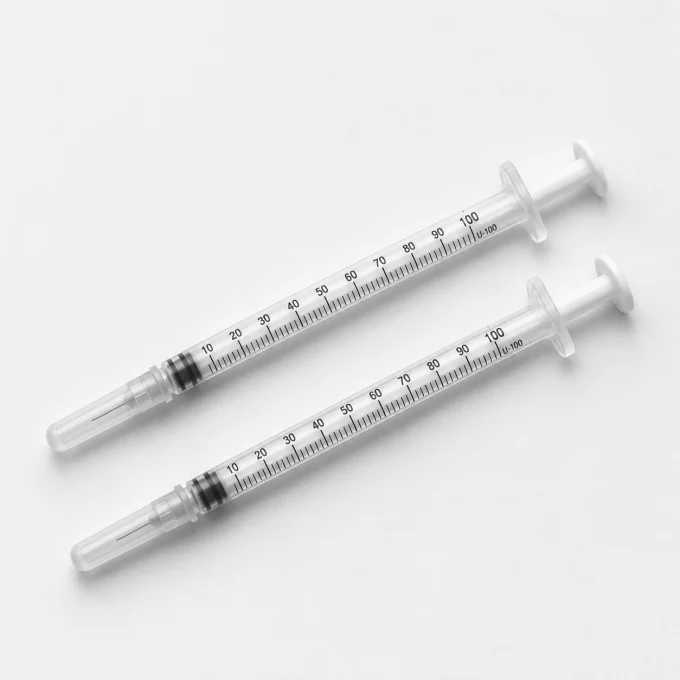
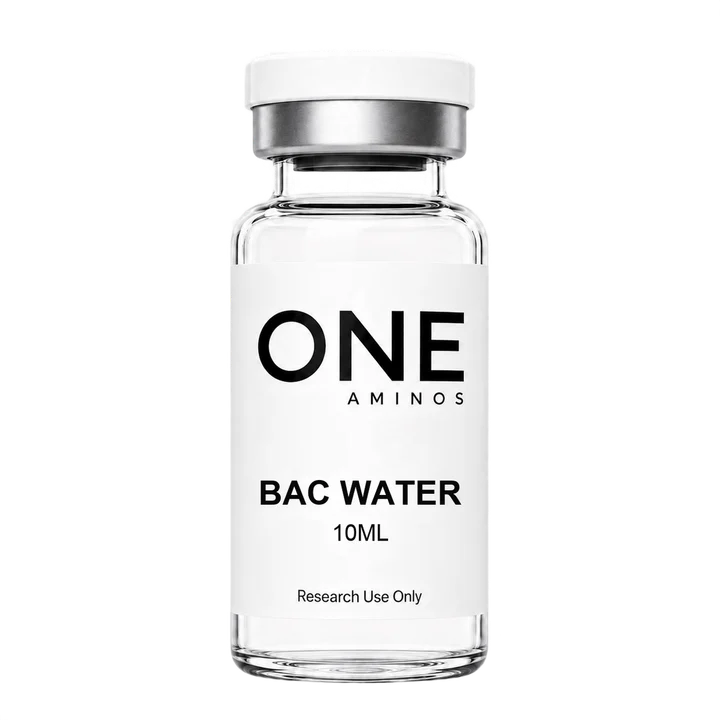
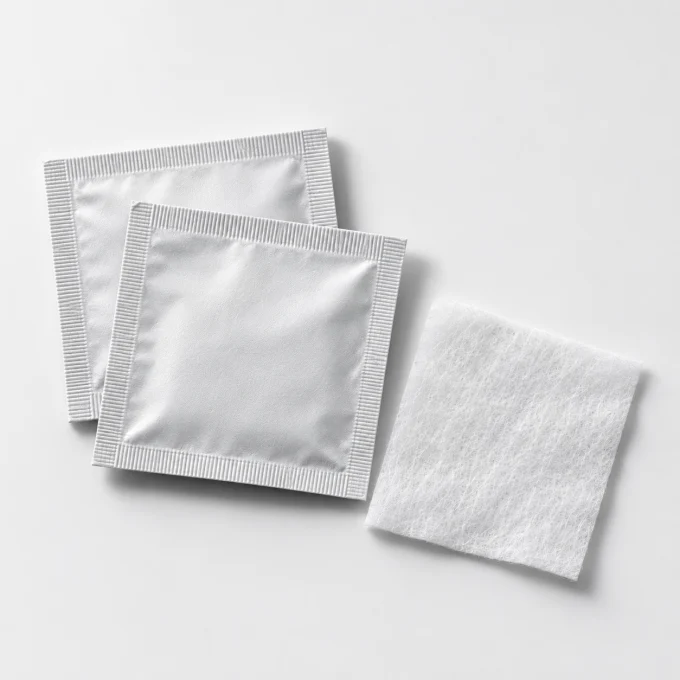
Demostración de reconstitución
AICAR Vial and Research Context
- Reconstitute: Add 3.0 mL bacteriostatic water → ~16.7 mg/mL concentration.
- Research dosing range: 1,000–3,000 mcg once daily (conservative gradual approach).
- Easy measuring: At 16.7 mg/mL, 1 unit = 0.01 mL ≈ 167 mcg on a U-100 syringe.
- Storage: Lyophilized: freeze at −20 °C (−4 °F); after reconstitution, refrigerate at 2–8 °C (35.6–46.4 °F); avoid freeze–thaw cycles and follow a validated product-specific use-by period.
AICAR permite estudiar la AMPK, una señal que responde a los cambios de energía en la célula.
AICAR (5-aminoimidazole-4-carboxamide ribonucleoside) is a research compound that activates AMP-activated protein kinase (AMPK)[1], earning the nickname “exercise pill” after studies showed sedentary animals given AICAR experienced dramatic endurance improvements[2]. AICAR is prohibited in sports (WADA classifies it as a metabolic modulator) and is not approved for therapeutic use in humans[1]. This educational protocol presents a once-daily subcutaneous approach for research purposes only.
Protocol Overview
- Research Goal: Activate AMPK pathways to mimic exercise-like metabolic effects[1].
- Schedule: Daily subcutaneous injections for 8–12 weeks (research protocols).
- Dose Range: 1,000–3,000 mcg daily (conservative); up to 5,000 mcg in advanced protocols.
- Reconstitution: 3.0 mL per 50 mg vial (~16.7 mg/mL) for precise measurements.
- Storage: Lyophilized frozen at −20 °C (−4 °F); reconstituted refrigerated 2–8 °C (35.6–46.4 °F) with a use-by period established for the exact formulation.
Dosing Protocol
Suggested gradual titration approach for research.
- Start: 1,000 mcg daily; increase by 1,000 mcg every 2 weeks as tolerated.
- Target: 2,000–3,000 mcg daily by Weeks 3–8 (conservative).
- Advanced: Up to 5,000 mcg daily if supported by protocol design.
- Frequency: Once per day (subcutaneous); maintain consistent AMPK activation[3].
- Timing: Any consistent time; rotate injection sites daily.
Storage Instructions
Proper storage preserves peptide stability and potency.
- Lyophilized: Store at −20 °C (−4 °F) in dry, dark conditions; follow the product’s validated shelf life.
- Reconstituted: Refrigerate at 2–8 °C (35.6–46.4 °F); bacteriostatic water does not establish AICAR stability or a universal use-by period.
- Freeze–Thaw: Avoid repeated cycles; do not assume that aliquoting or freezing extends the use-by period without exact-formulation stability data.
- Allow vials to reach room temperature before opening to minimize condensation.
Important Notes
Practical considerations for research protocols.
- Use new sterile U-100 syringes for each injection; dispose in a sharps container.
- Rotate injection sites (abdomen, thighs, upper arms) to reduce local irritation[11].
- Inject slowly; wait a few seconds before withdrawing the needle.
- Document daily dose, administration time, and site rotation for consistency.
- AICAR is prohibited by WADA and not approved for human therapeutic use[1].
How This Works
Receptor agonist. A substance that activates a receptor, the part of a cell that receives a particular signal.
AICAR functions as an AMPK agonist, essentially mimicking an energy-depleted cellular state. After administration, AICAR enters skeletal muscle and other cells where it is metabolized to ZMP (AICAR monophosphate), an analog of AMP that directly activates AMP-activated protein kinase (AMPK). AMPK serves as the master regulator of cellular energy homeostasis, and its activation stimulates glucose uptake and fatty-acid oxidation in muscle while promoting mitochondrial biogenesis to boost cellular energy output[1]. This metabolic shift “tricks” cells into responding as if exercising or fasting, activating pathways that improve energy metabolism and endurance capacity without actual physical activity.
Potential Benefits & Side Effects
Observations from preclinical and limited human research.
- Endurance Enhancement: Sedentary mice treated with AICAR showed a remarkable +44% increase in endurance without training[2], demonstrating exercise-mimetic effects.
- Metabolic Improvements: Increases mitochondrial enzymes, fatty-acid oxidation capacity, and skeletal muscle glucose uptake[3]; improves insulin sensitivity in animal models.
- Therapeutic Potential: Research suggests potential for diabetic neuropathy protection and metabolic syndrome treatment in animal models[7].
- Safety Profile: Human trials (acadesine, IV) showed tolerable safety up to 210 mg/kg single dose with only mild, transient side effects[5]; research subcutaneous doses are a small fraction of this.
- Side Effects: Generally well tolerated in studies; possible mild injection-site reactions (redness, irritation) with subcutaneous use.
- Important: Despite promising preclinical results, AICAR remains experimental; no confirmed clinical benefit in humans has been established, and long-term risks are unknown.
Lifestyle Factors
Complementary strategies for research protocols.
- Maintain a balanced, protein-adequate diet to support metabolic adaptations.
- Combine with structured exercise programs to potentially amplify AMPK-mediated benefits.
- Prioritize sleep quality (7–9 hours) to optimize cellular recovery and energy metabolism.
- Monitor hydration status, especially during endurance activities.
Injection Technique
General subcutaneous guidance from clinical best-practice resources[11].
- Clean the vial stopper and injection site with alcohol swabs; allow to dry completely[11].
- Pinch a skinfold at the chosen site; insert the needle at 45–90° angle into subcutaneous tissue[12].
- Inject slowly and steadily; do not aspirate for subcutaneous injections[12].
- Wait a few seconds after full injection before withdrawing the needle.
- Rotate sites systematically (abdomen at least 2 inches from navel, outer thighs, back of upper arms) to prevent lipohypertrophy[11].
- Apply gentle pressure with gauze if minor bleeding occurs; do not rub the injection site[11].
Referencias
- 1
U.S. Anti-Doping Agency (USADA)
- What Athletes Should Know About AICAR and Other Prohibited AMPK Activated Protein Kinase Activators (official guidance, 2022) - 2
PubMed
- Doping control study of AICAR; endurance enhancement in sedentary animals (Drug Testing and Analysis, 2017) - 3
PMC (PubMed Central)
- AICAR treatment for 14 days normalizes obesity-induced dysregulation in skeletal muscle (Am. J. Physiol., 2010) - 4
MDPI (International Journal of Molecular Sciences)
- AICAR prevents and reverses diabetic polyneuropathy by regulating mitophagy (2024) - 5
PubMed
- Acadesine (AICAR) Phase I/II study; maximum tolerated dose 210 mg/kg IV (Cancer Chemotherapy and Pharmacology, 2013) - 7
JAMA Network
- Effect of adenosine-regulating agent acadesine in cardiac surgery; IV infusion protocol (JAMA, 1997) - 11
MedlinePlus Medical Encyclopedia
- Subcutaneous (SQ) injections: patient instructions for proper technique and site rotation (NIH, 2023) - 12
CDC
- Vaccine administration: subcutaneous route guidelines (angle, site selection, no aspiration)
Additional Research and Background
These sources provide related context and are not presented as support for a specific statement above.
- 1
Endocrinology (Oxford University Press)
- AICAR stimulates fatty acid oxidation via β-adrenergic pathway in skeletal muscle - 2
PMC
- AICAR enhances glucose transport and mitochondrial function in muscle cells - 3
NCBI Bookshelf
- Best practices for injection procedures; asepsis, preparation, and administration guidelines - 4
PMC
- Pharmacologic considerations of subcutaneous drug injection; bioavailability and technique review - 5
Biolog Life Science Institute
- Technical Information about AICAR-5′-MP (AICA Ribonucleotide); stability and handling (2018)
Related research, protocols, and guides
Explore the available research context, protocol variants or comparisons, and practical guides. Choose the chart for the strength on your vial. A different strength can change the concentration and syringe reading. Each compound or blend has its own chart.
Research overview
Related protocols and comparisons