En esta página
- Quick reference
- Dosage chart and four steps
- Supplies needed
- Demostración de reconstitución
- Vial and research context
- Protocol Overview
- Dosing Protocol
- Storage Instructions
- Important Notes
- How This Works
- Potential Benefits & Side Effects
- Lifestyle Factors
- Injection Technique
- Referencias
- Related research, protocols, and guides
Epitalon (Epithalon) Quick Reference (10 mg Vial)
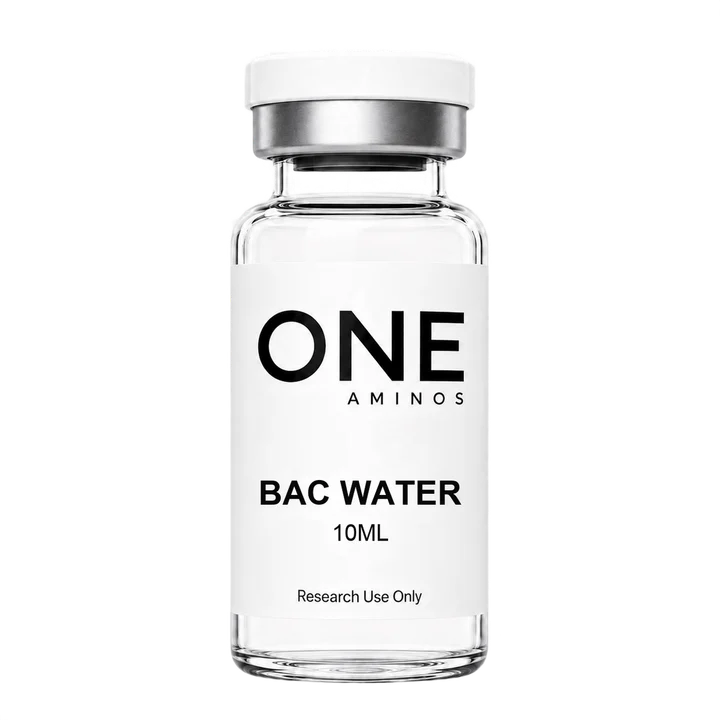
Ver producto en One Aminos- AGUA BACTERIOSTÁTICA A AÑADIR
- 2 mL
- CONCENTRACIÓN
- 5 mg/mL
- Vial contents
- 10 mg Epitalon (Epithalon)
- Final volume
- 2 mL
- One U-100 unit
- 50 mcg in 0.01 mL
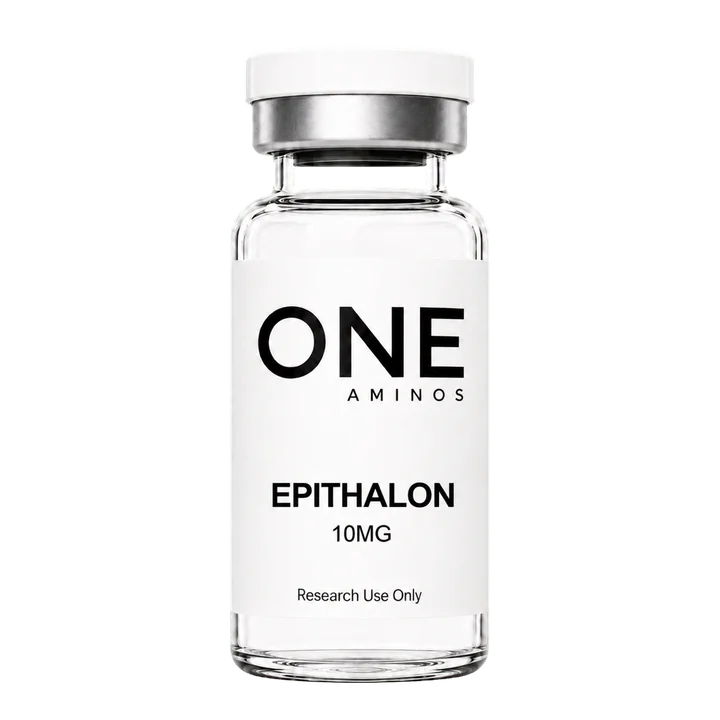
Research context: For evidence on mechanisms, human and preclinical research, limitations, and safety, read Epithalon Peptide: Benefits, Uses, Side Effects, Dosage, and Research.
Epitalon Dosage Chart
Dosing & Reconstitution Guide
Standard Protocol (2 mL = 5 mg/mL)
| Phase | Daily Dose (mcg) | Units (per injection) (mL) |
|---|---|---|
| Days 1–20 (Cycle On) | 5,000 mcg (5 mg) | 100 units (1.00 mL) |
| Weeks 4–26 (Cycle Off) | 0 mcg | - |
Frequency: Inject once daily subcutaneously, preferably in the evening or at bedtime to synergize with natural melatonin rhythms[3]. Complete 20 consecutive days, then observe a 4–6 month off-cycle before repeating (typically 2 cycles per year)[5].
Reconstitution Steps
- Draw 2.0 mL bacteriostatic water with a sterile syringe.
- Inject slowly down the vial wall; avoid foaming.
- Gently swirl/roll until dissolved (do not shake).
- Label and refrigerate at 2–8 °C (35.6–46.4 °F), protected from light.
Supplies Needed
Plan based on a 20-day daily protocol at 5 mg/day.
-
Peptide Vials (Epitalon, 10 mg each):
- 20-day cycle (5 mg/day): 10 vials (each vial yields 2 doses)
-
U-100 Syringes:
- Per cycle: 20 syringes (1/day)
-
Bacteriostatic Water (10 mL bottles): Use 2.0 mL per vial for reconstitution.
- 20-day cycle (10 vials): 20 mL → 2 × 10 mL bottles
-
Alcohol Swabs: One for the vial stopper + one for the injection site each day.
- Per cycle: 40 swabs (2/day) → recommend 1 × 100-count box
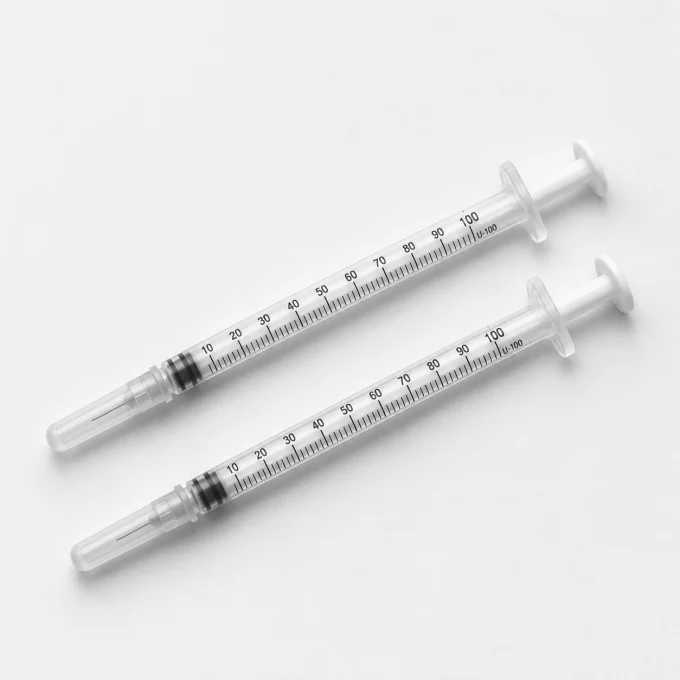
U-100 Syringes
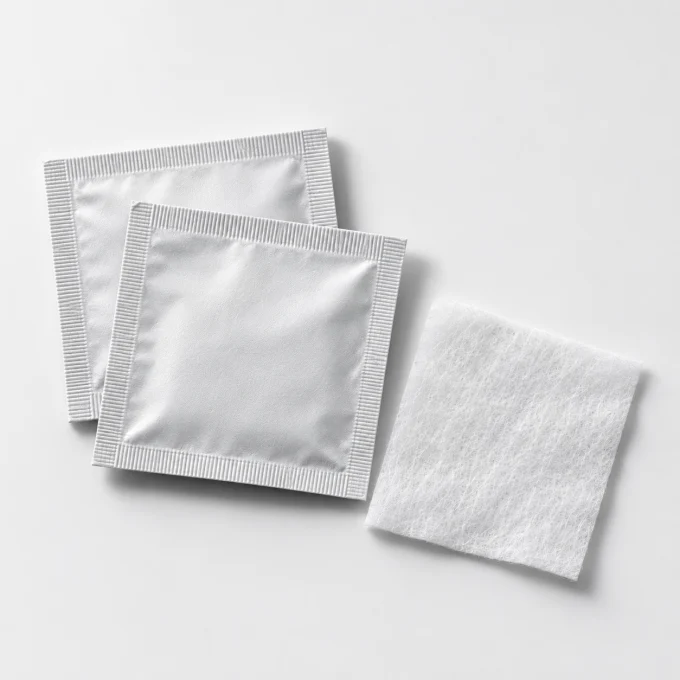
Alcohol swabs
Demostración de reconstitución
Epitalon (Epithalon) Vial and Research Context
- Reconstitute: Add 2.0 mL bacteriostatic water → 5 mg/mL concentration.
- Typical daily dose: 5,000 mcg (5 mg) once daily for 20 consecutive days.
- Easy measuring: At 5 mg/mL, 1 unit = 0.01 mL = 50 mcg on a U-100 syringe.
- Storage: Lyophilized: freeze at −20 °C (−4 °F); after reconstitution, refrigerate at 2–8 °C (35.6–46.4 °F); avoid freeze–thaw cycles.
Epitalon y Epithalon son dos nombres del mismo compuesto de cuatro aminoácidos. Se han estudiado sus efectos sobre los telómeros, los extremos protectores de los cromosomas.
Epitalon (Epithalon) dosage protocols center on this synthetic tetrapeptide (Ala-Glu-Asp-Gly) developed from pineal gland research for its geroprotective potential[1]. Epitalon activates telomerase to promote telomere elongation, supports healthy melatonin production for improved sleep and circadian rhythm regulation, and has demonstrated lifespan extension in animal models[2][3]. Human studies suggest potential benefits for longevity, cardiovascular health, and physiological function in older adults[4]. This educational protocol presents a once-daily subcutaneous approach using a practical dilution for clear insulin-syringe measurements.
Protocol Overview
- Goal: Support telomere maintenance, melatonin regulation, and geroprotective effects over time[2].
- Schedule: Daily subcutaneous injections for 20 consecutive days, followed by 4–6 months off-cycle.
- Dose: 5,000 mcg (5 mg) daily.
- Reconstitution: 2.0 mL per 10 mg vial (5 mg/mL) for accurate unit measurements.
- Storage: Lyophilized frozen; reconstituted refrigerated; avoid repeated freeze–thaw.
Dosing Protocol
Suggested daily approach based on published research protocols.
- Standard Dose: 5,000 mcg (5 mg) once daily subcutaneously[5].
- Alternative: 10 mg/day for 10 days (same total cycle dose of 100 mg).
- Frequency: Once per day (subcutaneous), preferably at bedtime.
- Cycle Length: 20 consecutive days on, then 4–6 months off.
- Timing: Evening administration recommended; rotate injection sites daily.
Storage Instructions
Proper storage preserves peptide quality.
- Lyophilized: Follow the exact product’s labeled storage temperature and expiration date; minimize moisture exposure.
- Reconstituted: Refrigerate at 2–8 °C (35.6–46.4 °F); follow product-specific use-by instructions and avoid freeze–thaw.
- Allow vials to reach room temperature before opening to reduce condensation uptake.
Important Notes
- Use new sterile U-100 syringes; dispose in a sharps container.
- Rotate injection sites (abdomen, thighs, upper arms) to reduce local irritation[8].
- Inject slowly; wait a few seconds before withdrawing the needle.
- Document daily dose and site rotation to maintain consistency.
- Reconstitute one vial at a time (every 2 days) to keep solutions fresh.
How This Works
In vitro. An experiment carried out outside a living organism, often using cells in a dish.
Epitalon’s primary mechanism involves telomerase activation, promoting telomere elongation in cells[2]. In vitro studies demonstrated that Epitalon induced telomerase and lengthened telomeres in human cell cultures, allowing cells to continue dividing beyond the usual Hayflick limit[9]. Epitalon also influences the neuroendocrine system by stimulating nocturnal melatonin release from the pineal gland, thereby normalizing circadian hormone rhythms in aged subjects[3]. Additional reported effects include antioxidant activity, genomic regulatory effects, and immune modulation[1].
Potential Benefits & Side Effects
Observations from preclinical and clinical literature.
- Supports telomere maintenance and cellular longevity through telomerase activation[2][9].
- Restores healthy melatonin production and circadian rhythm regulation[3].
- Extended lifespan and reduced tumor incidence observed in animal models[1].
- Human trials showed improved cardiovascular outcomes and reduced mortality over 12-year follow-up[4].
- Generally well tolerated; no serious adverse events reported in long-term studies[5].
- Occasional mild injection-site reactions or transient sleep pattern changes may occur.
Lifestyle Factors
Complementary strategies for best outcomes.
- Prioritize sleep hygiene and maintain consistent sleep-wake schedules to complement melatonin effects.
- Pair with a balanced, antioxidant-rich diet to support cellular health.
- Engage in regular physical activity to reinforce metabolic and cardiovascular adaptations.
- Manage stress through mindfulness or relaxation techniques to support circadian balance.
Injection Technique
General subcutaneous guidance from clinical best-practice resources[8].
- Clean the vial stopper and skin with alcohol; allow to dry.
- Pinch a skinfold; insert the needle at 45–90° into subcutaneous tissue[10][11].
- Do not aspirate for subcutaneous injections; inject slowly and steadily[10].
- Rotate sites systematically (abdomen, thighs, upper arms) to avoid lipohypertrophy[8].
Referencias
- 1
Int J Mol Sci (MDPI)
- Overview of Epitalon: Highly Bioactive Pineal Tetrapeptide with Promising Properties (2025) - 2
PMC/Biogerontology
- Epitalon increases telomere length in human cell lines through telomerase upregulation - 3
Neuroendocrinology Letters (PubMed)
- Synthetic tetrapeptide Epitalon restores neuroendocrine regulation in senescent monkeys - 4
Bull Exp Biol Med (PubMed)
- Geroprotective effect of epithalamine in elderly with accelerated aging (12-year RCT) - 5
Alzheimer’s Drug Discovery Foundation
- Epithalamin/Epithalon Cognitive Vitality Report (mechanisms, dosing, safety) - 8
Johns Hopkins Arthritis Center
- How to Give a Subcutaneous Injection (patient education guide) - 9
Wikipedia
- Epitalon (overview of Hayflick limit studies and telomerase activation) - 10
CDC
- Vaccine administration: subcutaneous route (angle/site; no aspiration) - 11
Immunize.org (IAC)
- How to Administer Subcutaneous Injections (CDC-backed guidelines)
Additional Research and Background
These sources provide related context and are not presented as support for a specific statement above.
- 1
NCBI Bookshelf
- Best practices for injection (asepsis, preparation, and administration) - 2
Subcutaneous Drug Injection Review (PMC)
- Pharmacologic considerations of the subcutaneous route
Related research, protocols, and guides
Explore the available research context, protocol variants or comparisons, and practical guides. Choose the chart for the strength on your vial. A different strength can change the concentration and syringe reading. Each compound or blend has its own chart.
Research overview
Related protocols and comparisons