En esta página
Tirzepatide Quick Reference (10 mg Vial)
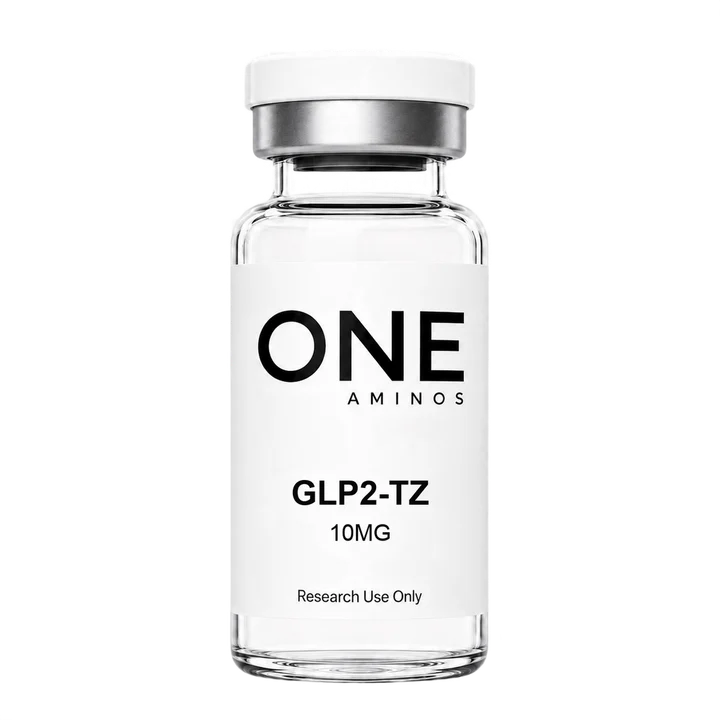
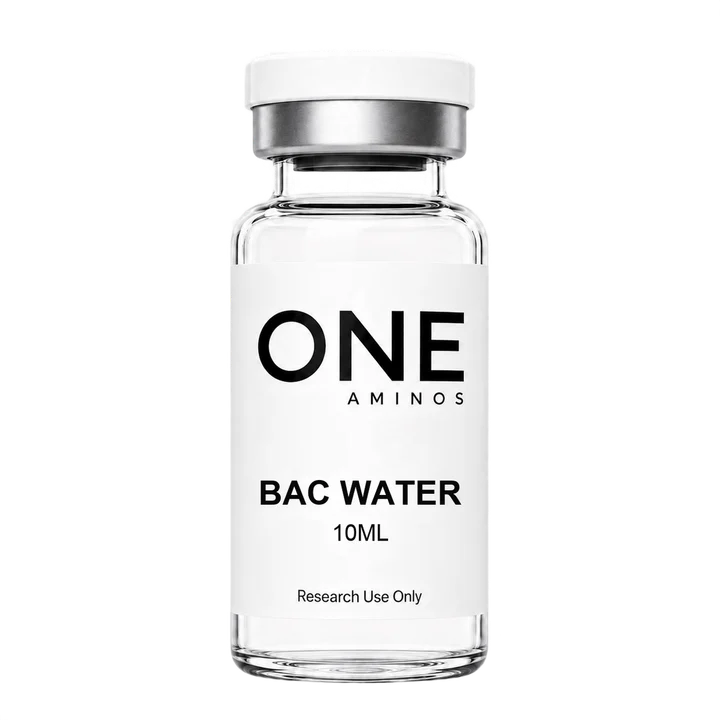
Ver producto en One Aminos- AGUA BACTERIOSTÁTICA A AÑADIR
- 2 mL
- CONCENTRACIÓN
- 5 mg/mL
- Vial contents
- 10 mg Tirzepatide
- Final volume
- 2 mL
- One U-100 unit
- 50 mcg in 0.01 mL
Research context: For mechanisms, human research, outcomes, limitations, and safety context, read the Tirzepatide Peptide research overview.
Tirzepatide Dosage Chart (10 mg Vial)
The same published weekly escalation schedule converted for a 10 mg vial
Standard Weekly Escalation Schedule (2 mL = 5 mg/mL)
| Study Phase | Weekly Amount | U-100 Units | Volume |
|---|---|---|---|
| Weeks 1 to 4 | 2.5 mg | 50 units | 0.5 mL |
| Weeks 5 to 8 | 5 mg | 100 units | 1 mL |
| Weeks 9 to 12 | 7.5 mg | 150 units | 1.5 mL |
| Weeks 13 to 16 | 10 mg | 200 units | 2 mL |
| Weeks 17 to 20 | 12.5 mg | 250 units | 2.5 mL |
| Weeks 21+ | 15 mg | 300 units | 3 mL |
Frequency: Once weekly by subcutaneous administration. The current product label starts at 2.5 mg for four weeks, then increases to 5 mg. When additional escalation is selected, increases occur in 2.5 mg steps after at least four weeks at the current amount. The studied maintenance targets were 5 mg, 10 mg, and 15 mg.[1][2][3] Rows above 100 units require more than one 1 mL syringe at this concentration, so the supply totals count the displayed number of syringes.
Reconstitution Steps
- Clean the vial stopper and gather the sterile supplies required by the research procedure.
- Add 2 mL of the documented sterile diluent slowly down the vial wall.
- Gently swirl or roll until dissolved. Do not shake.
- Label the vial 5 mg/mL with the preparation date and follow the exact product storage and discard instructions.
Supplies Needed
Clear 12-week and 24-week planning for a 10 mg vial at 5 mg/mL.
- Tirzepatide vials (10 mg each):
- 12-week schedule: 6 vials needed. Total scheduled amount: 60 mg.
- 24-week schedule: 21 vials needed. Total scheduled amount: 210 mg.
- U-100 Syringes:
- 12-week schedule: 16 new syringes needed.
- 24-week schedule: 48 new syringes needed.
- Documented sterile diluent (10 mL bottles):
- 12-week schedule: 2 bottles needed. Total diluent volume: 12 mL.
- 24-week schedule: 5 bottles needed. Total diluent volume: 42 mL.
- Alcohol swabs:
- 12-week schedule: 28 swabs minimum. 1 box of 100 covers this minimum.
- 24-week schedule: 80 swabs minimum. 1 box of 100 covers this minimum.
Sharps disposal: One appropriately sized container for used syringes.
Stability planning: Vial, syringe, swab, and diluent totals are minimum arithmetic quantities. Check the product instructions for sterile handling, storage and when to discard the sample.
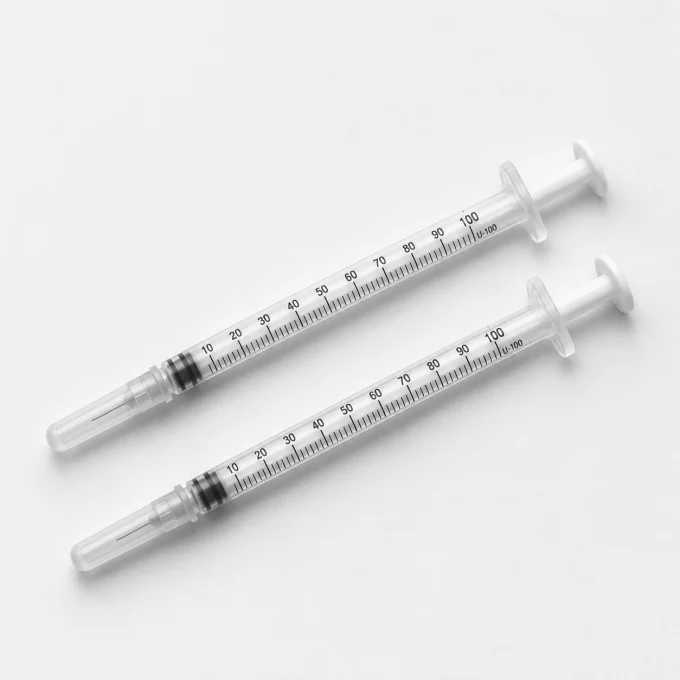
U-100 Syringes
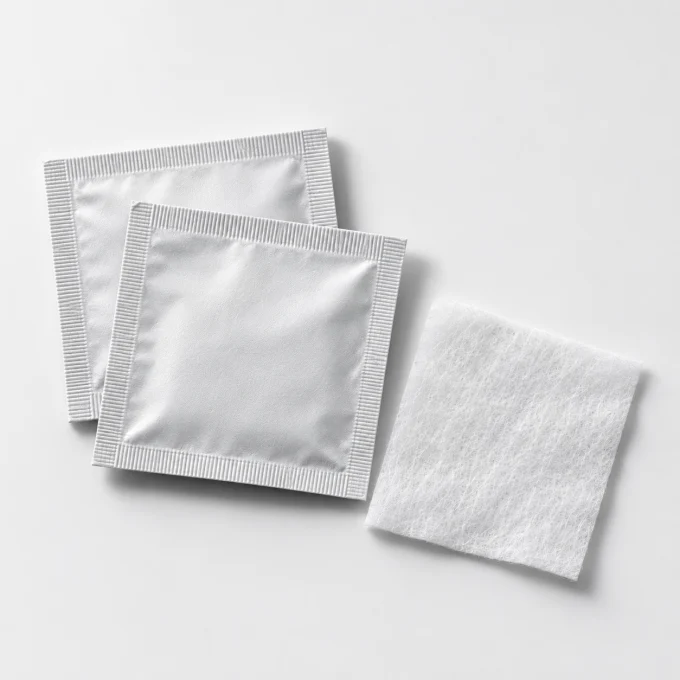
Alcohol swabs
Demostración de reconstitución
Tirzepatide Vial and Research Context
- Reconstitute: Add 2 mL of the documented sterile diluent to produce 5 mg/mL.
- Research frequency: Once weekly by subcutaneous administration in the cited human trials.[1][2][4]
- Weekly research range: The cited programs evaluated target amounts through 15 mg weekly after stepwise escalation.[1][2][3][4]
- Easy measuring: 1 U-100 unit = 0.01 mL = 50 mcg.
- Vial size: The 10 mg label is total nominal vial content, not a weekly amount.
- Vial coverage: At the 2.5 mg starting stage, one vial supplies 4 full weekly amounts. At the 15 mg research stage, the 15 mg amount requires 2 separate 10 mg vials by nominal mass. These are mass calculations, not vial storage or discard periods.
Protocol Overview
La tirzepatida actúa sobre dos receptores hormonales, GIP y GLP-1, que intervienen en la respuesta del organismo a los alimentos.
Quick reference for the shared Tirzepatide escalation schedule.
Dosing Protocol
The table converts one shared schedule for this vial concentration.
- Starting step: 2.5 mg once weekly for four weeks.[1][6]
- Next step: 5 mg once weekly beginning at week 5.[1][6]
- Additional steps: 7.5 mg, 10 mg, 12.5 mg, and 15 mg after at least four weeks at each amount when escalation is selected.[1][6]
- Measurement: Use the units and mL displayed beside each weekly amount.
- Consistency: Vial size does not change the weekly schedule.
Storage Instructions
Use the storage directions for the exact supplied formulation.
- Before preparation: Keep the vial dry, protected from light, and stored according to its documentation.
- After preparation: Refrigerate only as permitted by the exact formulation and diluent instructions.
- Labeling: Record the concentration, preparation date, storage conditions, and documented discard date.
- Handling: Avoid unnecessary agitation and follow the exact product instructions.
Important Notes
Practical details for reading the schedule and vial calculations consistently.
- The weekly amounts are identical across every Tirzepatide vial-size page. Only concentration, volume, U-100 units, and supply totals change.
- The 2.5 mg amount is the four-week starting step. The cited maintenance targets are 5 mg, 10 mg, and 15 mg.[1][2][3]
- Each increase is separated by at least four weeks in the current labeled escalation schedule.[1][6]
- Use a new sterile syringe for each injection and place used sharps in an appropriate container.[9][10]
- Record the weekly amount, calculated units, volume, date, and administration site consistently.
How This Works
Tirzepatide activates GIP and GLP-1 receptors. This dual incretin activity was studied using once-weekly subcutaneous schedules in controlled human trials.[1][2][4]
- GIP and GLP-1 receptor activity contributes to glucose-dependent insulin signaling and appetite regulation.
- The extended pharmacokinetic profile supports once-weekly administration in the cited clinical programs.[1][2][4]
- The published trials evaluated manufactured study products with structured escalation and monitoring plans.[2][3][4]
Clinical Benefits
Results below summarize observations from controlled human research.
- SURMOUNT-1 reported dose-related body-weight reductions with 5 mg, 10 mg, and 15 mg weekly target groups through 72 weeks.[2][3]
- SURPASS-1 reported improvements in glycated hemoglobin and body weight across the studied weekly target groups.[4]
- The three-year SURMOUNT-1 analysis reported sustained weight outcomes and evaluated progression to type 2 diabetes in participants with prediabetes.[5]
- Cardiometabolic measurements were evaluated as prespecified or secondary outcomes in the clinical research programs.[2][4][5][7]
Side Effects
Safety findings remain specific to the studied populations, products, schedules, and monitoring plans.
- Gastrointestinal events, including nausea, diarrhea, vomiting, and constipation, were among the most commonly reported events.[1][2][4][6]
- Events occurred most often during dose escalation and were generally mild to moderate in SURMOUNT-1.[2]
- The current prescribing information includes contraindications, warnings, precautions, and interaction information that should be read in full.[1][6]
- Trial results should be compared within the same population, target group, follow-up period, and analysis plan.
Lifestyle Factors
Consistent study conditions make weekly observations easier to interpret.
- Record diet, physical activity, sleep, hydration, and gastrointestinal observations consistently.
- Use the same body-weight, waist, glucose, and laboratory measurement methods throughout the observation period.
- Compare results within the same population, target amount, follow-up period, and analysis plan.
Injection Technique
General subcutaneous research technique should follow the approved institutional or laboratory procedure.[9][10]
- Use a new sterile syringe and needle for every injection and each separate vial entry.
- Clean the vial stopper and selected site, then allow the surface to dry.
- Use the needle length, angle, and skinfold method specified by the governing procedure.
- Rotate sites systematically and document each administration.
- Place used sharps immediately in an appropriate sharps container.
Referencias
- 1DailyMed (2026): Zepbound tirzepatide injection: current prescribing information and weekly escalation schedule
- 2New England Journal of Medicine (2022): Tirzepatide once weekly for the treatment of obesity: SURMOUNT-1 randomized phase 3 trial
- 3ClinicalTrials.gov: SURMOUNT-1 study record NCT04184622
- 4The Lancet (2021): SURPASS-1 randomized phase 3 tirzepatide monotherapy trial
- 5New England Journal of Medicine (2024): Tirzepatide for obesity treatment and diabetes prevention: three-year SURMOUNT-1 findings
- 6FDA: Zepbound tirzepatide injection prescribing information
- 7Nature Medicine (2022): Tirzepatide cardiovascular risk factors and safety in type 2 diabetes: SURPASS program analysis
- 8The Lancet Diabetes and Endocrinology (2023): Tirzepatide for chronic weight management: SURMOUNT clinical development program design
- 9CDC: Preventing unsafe injection practices and handling multidose vials
- 10NCBI Bookshelf: Best practices for injections and related procedures